WORDS

WORDS

Omar Boubess

Omar Boubess

DATE

DATE

July 18, 2026

July 18, 2026

If your hotel is all-in on the AI hype, you're in for a rude awakening

Where AI Belongs

AI has its benefits, just like any technology. Efficiencies in data tracking and analysis, workflow automations, business intelligence, and pattern recognition are all valid and important use-cases.

For hospitality professionals, AI comes in handy through a revenue management system that can help set rates during low-season, a booking engine that upsells guests based on their choice of room or IP address, or a channel manager that can help determine where to allocate room inventory.

But when AI starts bleeding into the domain of creativity and judgement - especially for guest-facing assets - its use becomes more of a risk than a reward.

Open any social platform and you’ll see the backlash against AI writing, slop content, and automated commenting and DMs being delivered by LLMs like Claude and ChatGPT. This isn’t limited to creators on LinkedIn, Instagram or Substack for efficient workflows and volume, but established brands are buying into the trap - with their audiences noticing immediately and voicing their disdain.
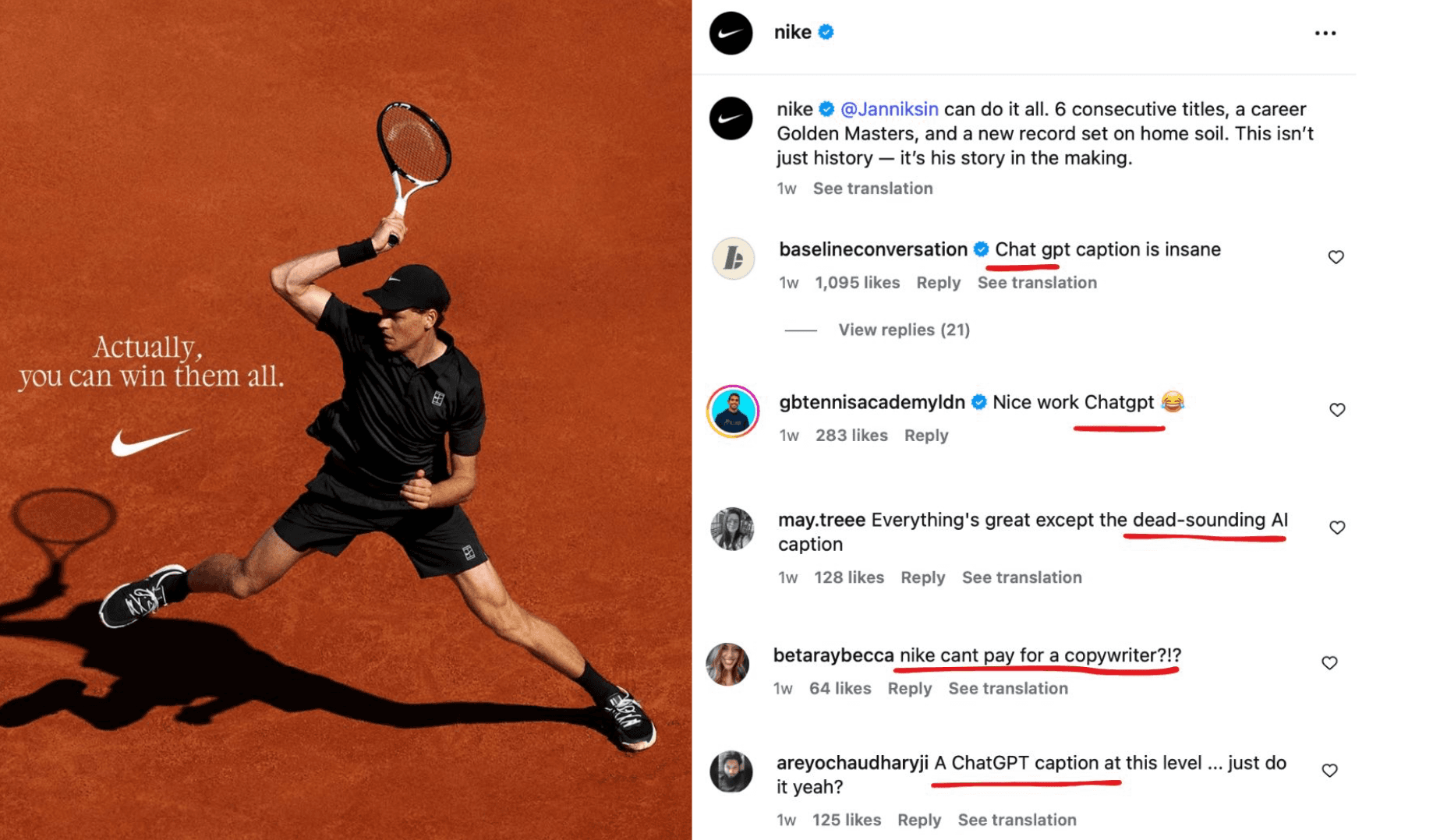


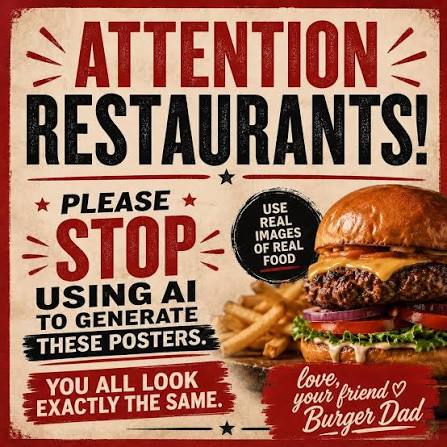
The same mechanism is now being seen in design, as AI models start to ‘create’ visual assets for businesses and individuals. Posters, menus, 1 click websites, and diagrams are all being created by AI to pump out content and move onto the next task.

It’s all become noise, it’s all starting to look the same. And it’s become abundantly clear now: no one wants this. The market is tired of it, and is generally concerned.
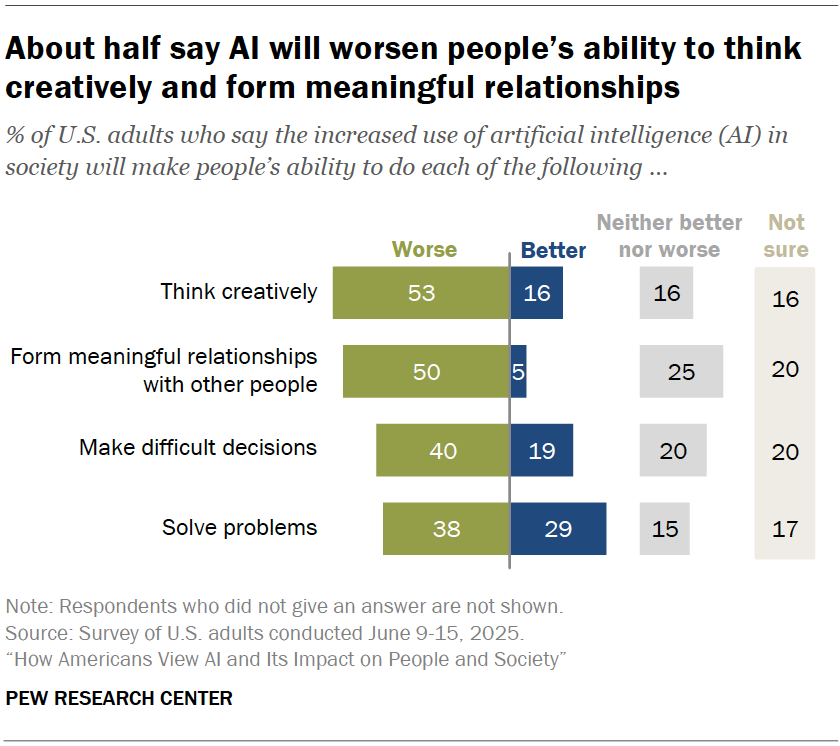


Pew research from 2025 showed that the dominant line of thinking from respondents is that AI hurts people’s ability to think creatively, form meaningful connections, make difficult decisions, and solve problems.

Within only a few years of AI being introduced to the mass market, the tide is beginning to turn back again in favour of craft, effort, personal judgement, novel thinking and niche ideas.

This reversal has many reasons, but I believe a key reason is based on a framework called the Costly Signalling Theory.

Costly Signalling Theory

Proposed by Amotz Zahavi and formalized by biologists Alan Grafen and H. Charles Godfray, Costly Signalling Theory is an important framing mechanism for brand stewards and brand owners to understand in the age of AI (and beyond).

The theory proposes that animals, humans, and even plants signal their fitness, quality, or other positive characteristics through an expenditure of energy, time, or resources.

Think of a peacock that grows an elaborate colourful tail to demonstrate its fitness and genetic health. Interestingly, the flamboyant tail is a survival risk due to lack of mobility and speed when running away from predators. However, risk of being hunted down is outweighed by the reward in a display of mate quality.
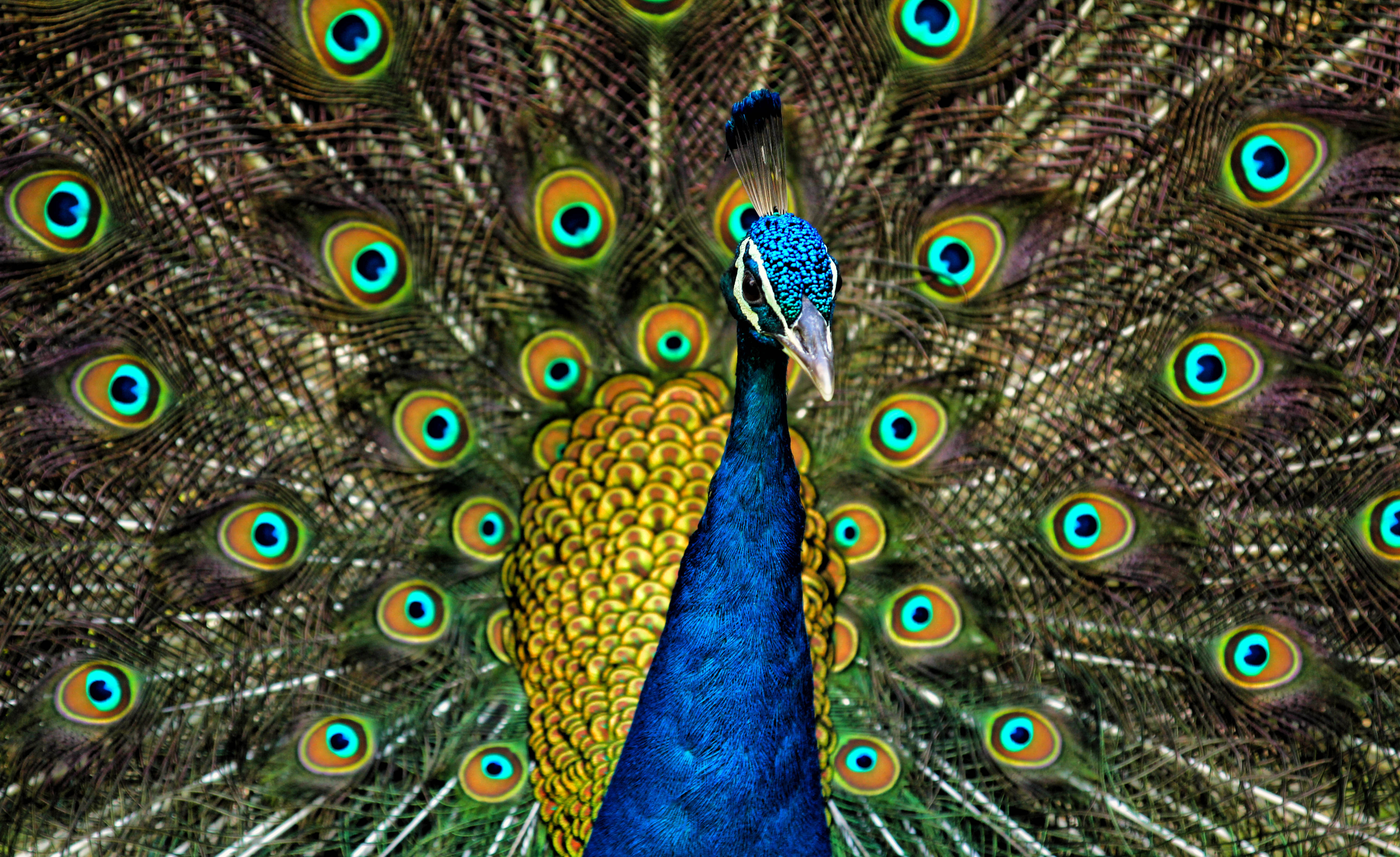

Peacock tail displaying costly signalling


In relation to hotel marketing and brand-building, this means spending time, money, and effort to demonstrate you are a property of excellence and high standards (not one of cost-cutting and laziness).

This expenditure shows you do care, that you do have resources to prove it, and that you are not afraid to promote your property confidently because you know you can deliver quality during the stay.

This ‘costly’ display builds trust - guests can immediately see where you’ve prioritized value over a shortcut or a fast-fix. And they assume that you’ve done the same with your on-site experience.

These days, word travels too fast for hotels to make big claims while their on-property experience does not match up. One social post or a series of negative reviews can burn a brand down.

In contrast to ‘costly signalling’, using AI signals laziness, not quality. It shows a property was looking for the fastest output, not the most emotionally resonant content for your guest.

It signals that the brand trusts a machine more than they trust human ingenuity. That they are afraid to take a risk of doing something truly creative, for a race to attract the lowest common denominator. Or it simply signals a lack of confidence in the property experience - they don’t want to set expectations too high in their marketing, fearing that when someone does visit, the expectation is broken (this happens often, we’ve heard it from a handful of hotels we’ve spoken to).
Effort & Perception

Using AI for guest-facing assets like a website, a social media post, B2B sales assets, or copywriting represents a lack of consistency and intention with delivering a high-standard of experience. It instead highlights a focus on speed and efficiency.

Guests and B2B teams are becoming more and more fluent with recognizing AI - when they see it, they make the judgement that a hotel didn’t take the time to create a truly unique asset, and offloaded it to Claude while a junior marketer was having their second matcha of the day. The perception (rightly so) is that brands are looking for shortcuts, cost-savings, and volume.


A phrase I always come back to is: “How you do one thing is how you do everything”.

A guest who sees a hotel or restaurant using AI for its collateral will assume that it’s also taking shortcuts in other areas of the experience. Unknowingly, you’re damaging your reputation at the expense of ‘speed’. But the speed is involuntarily carrying you towards a market perception of neglect and low standards.

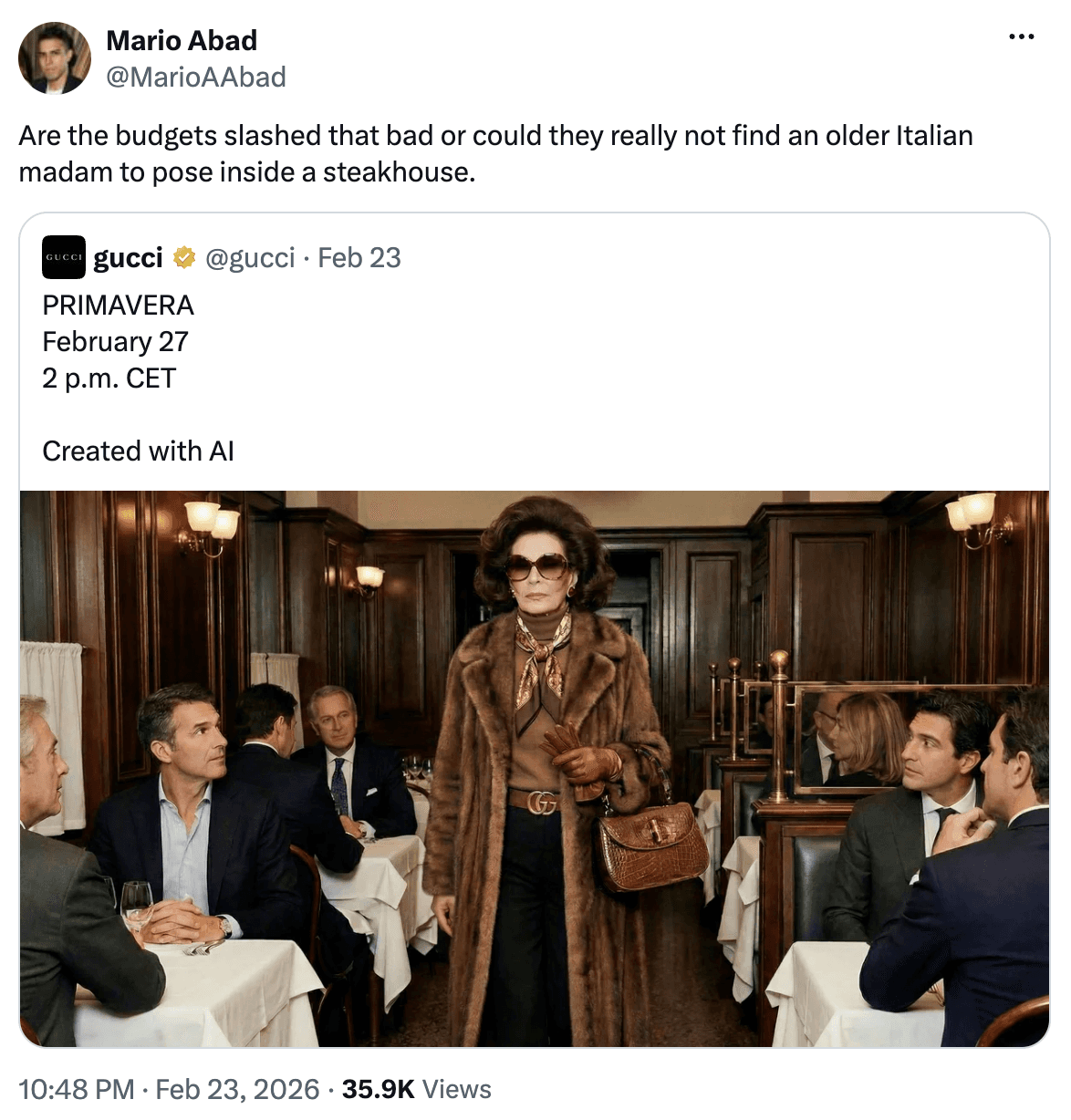
Gucci recently faced backlash when using AI images to promote its Milan Fashion Week show. As a luxury fashion brand that champions “creativity and Italian craftsmanship”, this move started to chip away at their reputation and positioning .

“I think particularly luxury fashion brands need to pay attention [to whether] the latest technology can create positive image for their brands” — Dr Priscilla Chan, senior lecturer at Manchester Metropolitan University Fashion Institute.


There’s another nefarious and subtle signal that comes from using AI, and that is the unspoken belief that a hotel’s guest won’t notice.

However, AI has become so overused that guests can immediately recognize copywriting or visual assets created by ChatGPT/Claude/NanoBanana.

No one is willfully creating a social media post and saying ‘look how amazing this is, I made it with AI’ - instead they are masquerading as if it was their idea, their creativity, and their execution.

In fact, it’s gotten so bad that social platforms are now starting to mark content made with AI as such - to make a clear distinction in what was made by a human, and what was not. Otherwise, most brands wouldn’t mention that images or content were created with AI.

The problem is, this use of AI (and passing it off as human) shows that a hotel thinks their guest is naive or won’t catch on. But they are not naive, they’re already catching on, and they’re mad.

This slowly eats at your reputation because you are undermining the intellect of your guest and assume that they don’t have any taste to discern an AI visual from a real one. Or that those visual and written outputs are even what guests resonate with or enjoy reading.

Self-Commoditization

Just as AI copywriting is all starting to look the same (”its not X, its Y”), design and visual assets will follow suit.

AI websites all look the same, copywriting is all sounding the same, posters and social are all looking the same.

The game of building a successful hotel brand is differentiation, positioning, and recognition.

But with the overuse of AI for guest-facing assets, the difference between brands will blur more than ever before.

We will start to see 5 properties in the same city using AI to build their website, that end up with the same Claude-generated template, same overall structure, same format and flow - the only difference being the photographs of the property.

Zero differentiation, nothing to emotionally connect to, and a frustrating experience for potential guests who have to think harder about what the differences are between your property and another.

How is a guest supposed to connect to your distinct experience if you haven’t taken the time to PROVE that you do have something different to offer?

Using AI for your website design and copy is akin to making your direct channel look like another OTA listing. You’re inflicting commoditization on yourself but calling it efficiency.

The Opportunity for Hotels

While this is all happening, there’s an opportunity for hotels to solidify their positioning, earn trust, and truly stand out as hosts of distinct taste and experiences.

A strong brand signal in a market full of noise.

People associate with brands that reflect their values, identity and point of view. It’s the concept of self-extension through objects, experiences - and in modern times - brands.

If a hotel overuses AI, a guest is unconsciously linking themselves with the values and point of view of the AI ‘craze’. It reflects on them, as they are supporting a property that uses AI for everything. What are those characteristics? Over-efficiency, shortcuts, coldness, neglect of details, lack of imagination.

Not necessarily a set of traits that most people want to be associated with.

On the other hand, a brand that focuses on intention, craft, relevance, and effort attracts a guest that wants those values attached to them as well.


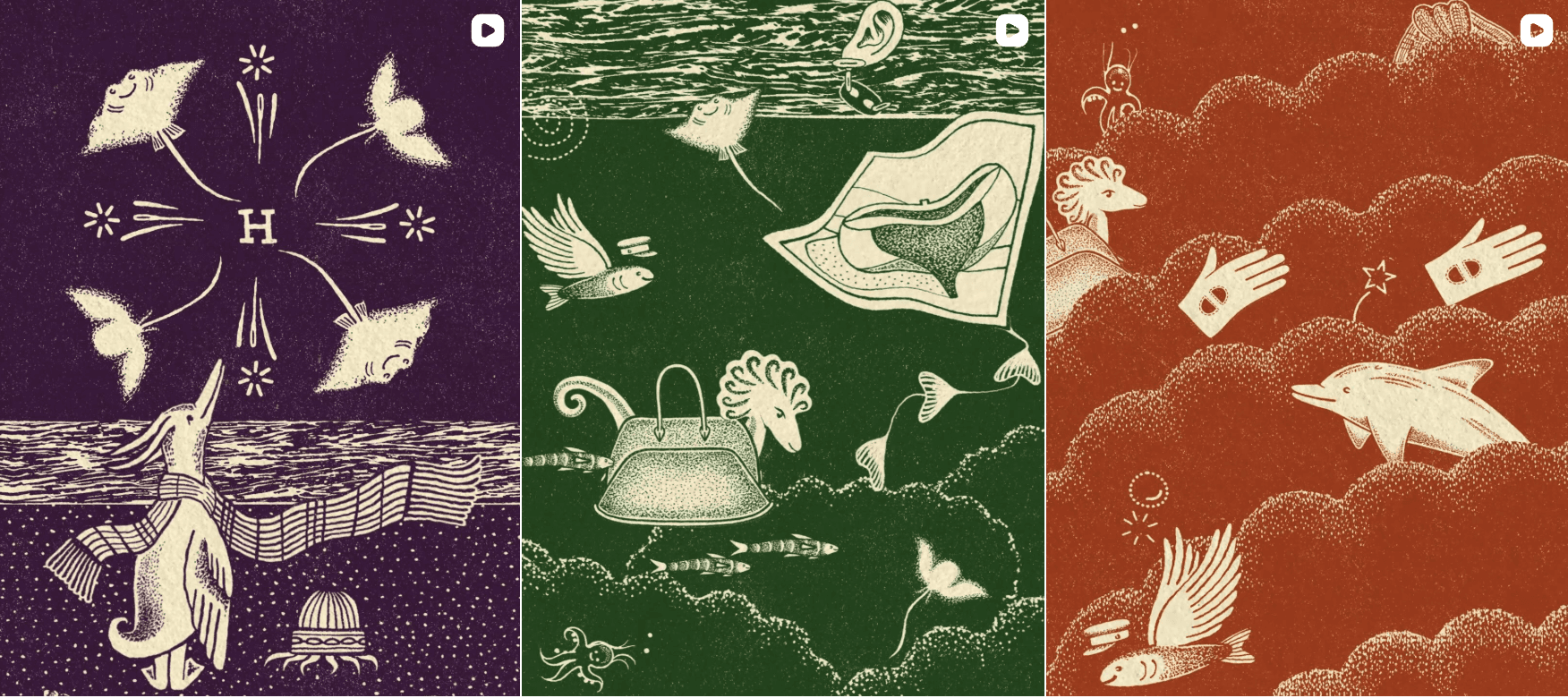
Think of Hermès’ social media posts over the last few years, commissioning artists to create elaborate animations and illustrations that signal to viewers that they are still the go-to brand for bespoke, hand-made products, with an entire world built around them.


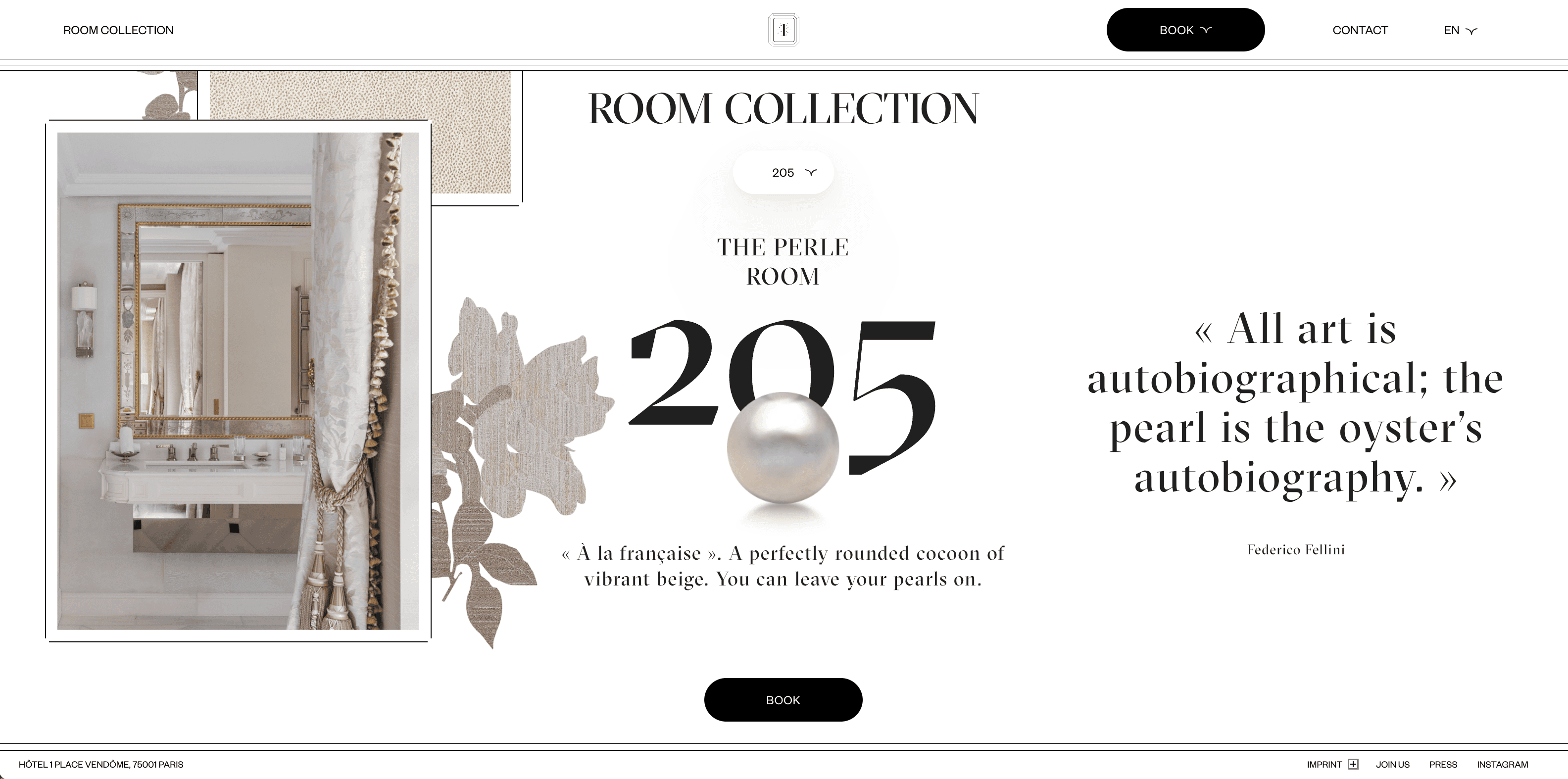
In the hotel world, a fantastic example is 1 Place Vendôme, Chopard’s foray into hospitality — they intentionally dropped the Chopard name but maintained the Chopard worldview. The website is an elaborate story of craftsmanship and heritage executed through an immersive layout, intricate details, sequenced animations, and historical quotes about rare materials. Clear effort, intention, and time have been put into the creation of the entire conceptual angle and website experience. This is costly signalling in practice. The expenditure of resources and creativity is the message itself.

Closing Notes

These days it’s easier than ever to stand out and show that your hotel has a point of view, sense of clarity in its direction, and a clear path for a guest to understand what emotional experience you promise. Yes, it requires effort, some time, and confidence - but its rewards are beyond measure.

Unfortunately, it’s even easier to offload the work to AI and think it’s doing a good job (when it’s in fact hurting your reputation).

Is AI in hospitality going to flatten distinction? Or will it supercharge access to the marketing collaterals that used to be ‘costly’?

Share Article

Share Article

More to read

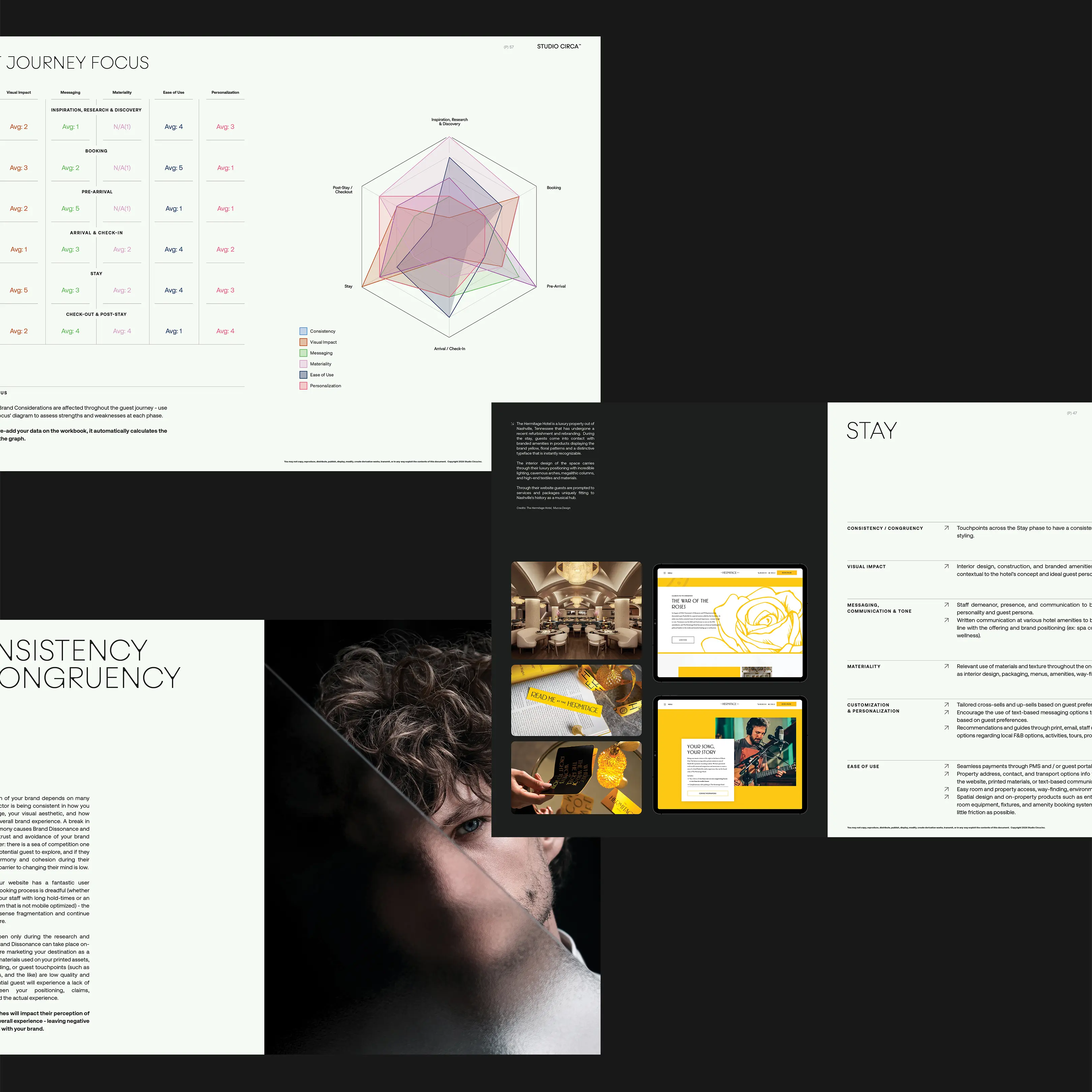
Download our Hotel Brand Imprint™ Framework

The free resource includes:

  • Our proprietary brand-audit tool for hotels

  • In-depth 55+ page document

  • Comprehensive video walkthrough

We won't share your data with any third party


You can easily unsubscribe anytime via the link provided in our emails

Download our Hotel Brand Imprint™ Framework

The free resource includes:

  • Our proprietary brand-audit tool for hotels

  • In-depth 55+ page document

  • Comprehensive video walkthrough

We won't share your data with any third party


You can easily unsubscribe anytime via the link provided in our emails

Download our Hotel Brand Imprint™ Framework

The free resource includes:

  • Our proprietary brand-audit tool for hotels

  • In-depth 55+ page document

  • Comprehensive video walkthrough

We won't share your data with any third party


You can easily unsubscribe anytime via the link provided in our emails